The situation, in brief
Much like the floodwaters, public anger is overflowing over the Philippines’ failed flood control projects. Every downpour brings not just clogged roads but renewed outrage over flood control projects that have swallowed billions yet delivered little. Singapore, however, shows what long-term…
Much like the floodwaters, public anger is overflowing over the Philippines’ failed flood control projects.
Every downpour brings not just clogged roads but renewed outrage over flood control projects that have swallowed billions yet delivered little.
Singapore, however, shows what long-term planning and accountability can achieve.
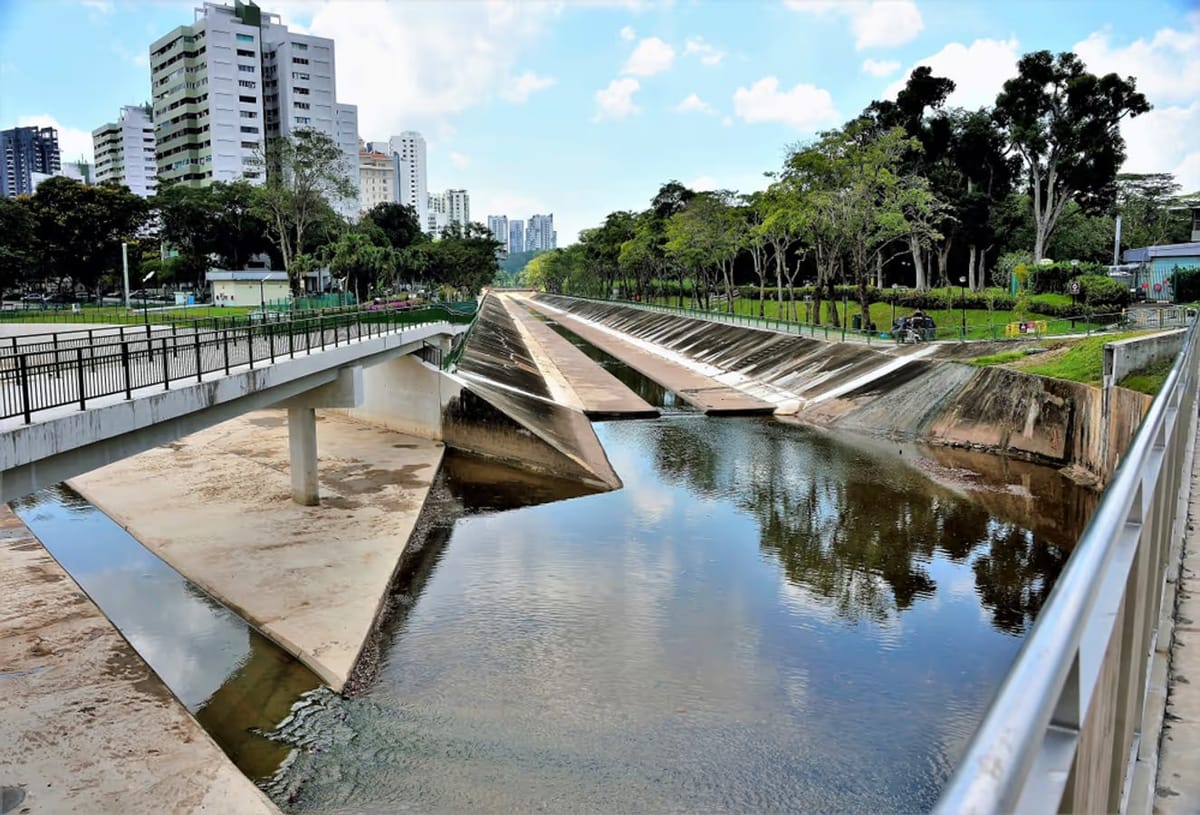
Since 2011, the city-state has invested S$2.5 billion (₱110 billion) in flood control and drainage infrastructure, according to Singaporean news outlet Channel News Asia.
In contrast, the Philippines’ National Capital Region (NCR) alone has spent ₱52.48 billion on flood control between 2022 and 2025, nearly half of Singapore’s 15-year total, yet Metro Manila remains one of the most flood-prone urban centers in Asia.
Singapore’s latest move came this year, when its government earmarked S$150 million (₱6.6 billion) for drainage upgrading projects in the 2025 budget.
Singaporean Minister for Sustainability and the Environment Grace Fu told parliament on February 4, 2025 that 19 drainage projects are ongoing, with six more set to begin this year.
The announcement followed back-to-back monsoon surges in January that brought rainfall exceeding their country’s monthly average.
Despite the heavy downpour, flooding was minimal: just one 0.3-meter flood along a short stretch of Jalan Seaview in Mountbatten, which subsided in three hours, according to local media reports.
Fu credited long-term planning and the national water agency Public Utilities Board’s (PUB) “multi-pronged approach” in reducing flood-prone areas from 3,200 hectares in the 1970s to less than 25 hectares today.
Singapore’s approach includes not just drains and canals, but also strict building codes requiring developers to incorporate flood protection.
Amendments to the Sewerage and Drainage Act passed in late 2024 now mandate owners to maintain flood protection measures, ensuring resilience is built into both public and private infrastructure.
But Fu was clear: building bigger drains is not the ultimate answer. “It is neither practical nor prudent to keep expanding drainage infrastructure,” she said, warning that it would consume land and financial resources needed for other priorities.
Instead, she stressed system-wide resilience where government, businesses, and residents share responsibility for preparedness.
This stands in contrast to Metro Manila, where projects often stall at the contractor level, canals remain clogged, and communities pay the price of corruption and neglect.
Allegations of substandard work and anomalous flood control contracts continue to hound the government, fueling public anger over trillions of pesos in spending have not translated into safer streets.
Flood control is not simply about money spent, but about sustained planning, accountability, and execution.
A small island nation has virtually eliminated its flood-prone zones, while the Philippine capital still finds itself drowning, both in floodwaters and in wasted funds.
(1 SGD = 44.25 PHP)