The situation, in brief
The Department of Education (DepEd) will roll out a significantly expanded School-Based Feeding Program in 2026, backed by a ₱25.7-billion allocation aimed at tackling malnutrition, improving attendance, and supporting vulnerable learners nationwide. In an interview on DZRH News program Special on…
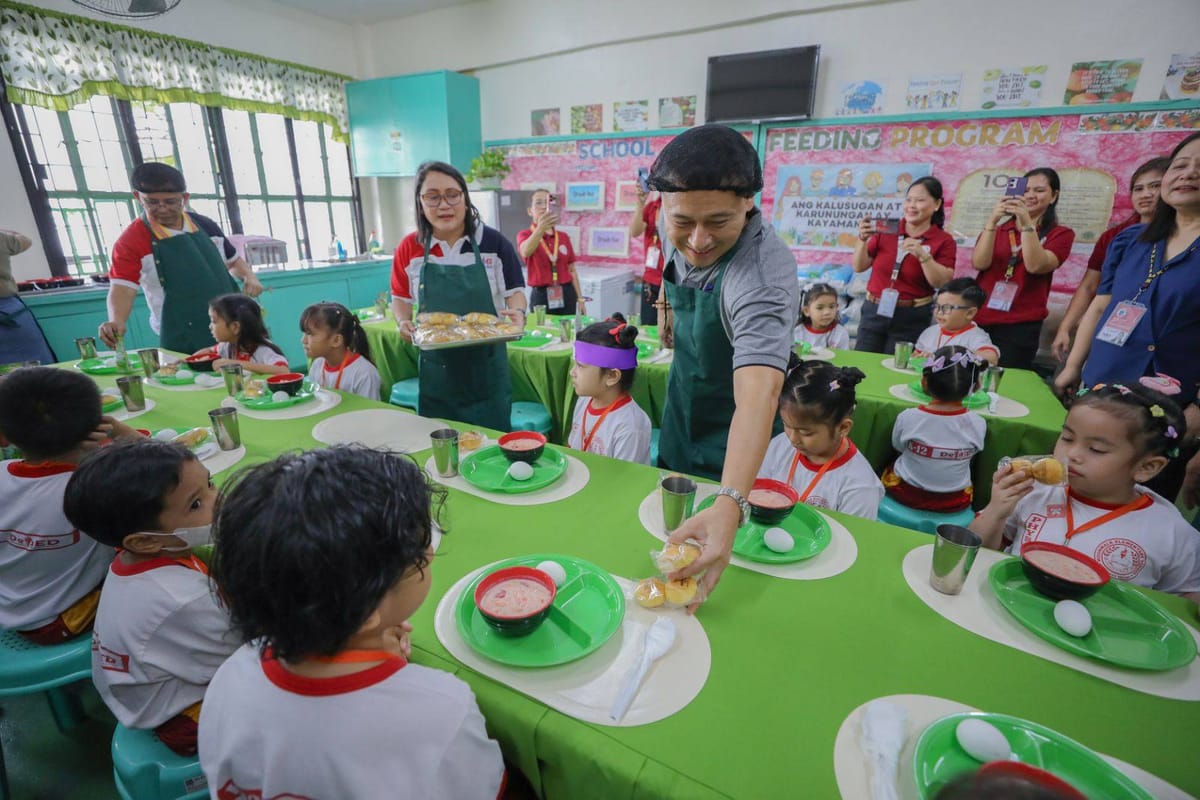
The Department of Education (DepEd) will roll out a significantly expanded School-Based Feeding Program in 2026, backed by a ₱25.7-billion allocation aimed at tackling malnutrition, improving attendance, and supporting vulnerable learners nationwide.
In an interview on DZRH News program Special on Saturday, Education Assistant Secretary Roger Masapol said the increase—from ₱11.7 billion in 2025—reflects a policy shift that prioritizes early nutrition coverage.
Masapol explained that under the new framework, feeding will be universal for all Kinder and Grade 1 learners, regardless of nutritional status, marking a departure from past programs that targeted only “wasted and severely wasted children.”
In DepEd programs, the term “wasted” refers to learners who are significantly underweight for their height, a clinical indicator of acute malnutrition that affects immunity, physical development, and learning capacity, and who are prioritized for intervention under initiatives such as the School-Based Feeding Program.
“Kaya ang aim po natin ngayon, at ito po’y priority ni Secretary Angara saka ni President Marcos, na doon pa lang ay alagaan na natin yung mga kabataan na may ganung sitwasyon,” Masapol said.
For Grades 2 to 6, the program will remain targeted, prioritizing learners identified as malnourished based on assessments conducted by schools, he said.
Beyond elementary school, DepEd will extend feeding to vulnerable and disadvantaged learners in junior and senior high school, with particular focus on pregnant learners, citing rising cases of early pregnancy and the risk of stunting for both mothers and newborns.
“So ang aim po natin ngayon, alagaan na natin ‘yung mga kabataan na may ganung sitwasyon para paglabas nung bata, at pati ‘yung mother maalagaan din natin,” Masapol said, adding that the goal is to keep pregnant learners in school while improving health outcomes.
In terms of food, DepEd plans to reintroduce hot meals where possible, reversing the pandemic-era reliance on pre-packed food, while continuing to provide Nutribun and other DOST-FNRI–approved nutritious products in schools without cooking facilities.
“Bago po mag-pandemic, ang feeding program natin ay ginagawa sa school. So nagluluto po yung mga school at pinapakain po ng hot meal yung mga bata natin,” Masapol said.
“Mas maa-appreciate ng mga bata and even ng mga magulang na bagong luto, mainit po talaga yung kakainin nila kesa dito sa mga processed foods,” he added.
Part of the 2026 budget will be used to build or refurbish central kitchens, allowing clusters of schools to be served daily, with Masapol citing LGU-led models that already cater to multiple schools through centralized cooking.
“Ang ibig sabihin po, magpapakain muna ang LGU. After a month, ibi-bill niya ang DepEd para bayaran yung kanyang nagastos kapalit ng report kung ilan yung napakain,” he explained.
Feeding will be provided daily, with up to 200 feeding days for Kinder and elementary learners—extending into the summer period—to prevent children from reverting to underweight status during long school breaks, he said.
The program allocates ₱22 per meal, and DepEd will allow schools to procure food directly from nearby farmers, leveraging community participation provisions under procurement rules to support local livelihoods.
“After 200 days, iwe-weigh ulit at makikita natin kaagad yung impact nung programa natin,” Masapol said. “Hindi lang po yan doon sa kanyang Body Mass Index, pati po sa attendance.”
Implementation will be mixed and layered, with standards set by DepEd’s central office, funds released early to regional and division offices, and execution handled either by capable schools or through memoranda of agreement with local government units using billing arrangements.
Masapol said the 2026 program will kick off at the opening of classes in June 2026, following preparatory work from January to May, while feeding under 2025 funds continues through March.
DepEd expects results to be measurable within one school year, as learners are weighed before and after the feeding cycle, with the department tracking improvements not only in body mass index but also in attendance, dropouts, and learning ability.