Thursday, October 29, 2026  ·  Manila
 Breaking News, Special Reports and In-Depth Stories in the Philippines
TSR
Features

Metro Manila floods because we built our cities in the paths nature designed for water, says expert

Metro Manila floods because we built our cities in the paths nature designed for water, says expert
Share

The situation, in brief

The fundamental reason Metro Manila floods is not engineering failure or government neglect alone — it is that generations of Filipinos built their homes, roads, and commercial centers directly in the valleys, river deltas, and natural drainage paths that nature designed specifically to carry…

The fundamental reason Metro Manila floods is not engineering failure or government neglect alone — it is that generations of Filipinos built their homes, roads, and commercial centers directly in the valleys, river deltas, and natural drainage paths that nature designed specifically to carry water from the mountains to the sea, Forest Management Bureau (FMB) Assistant Director Ray Thomas Kabigting said Friday.

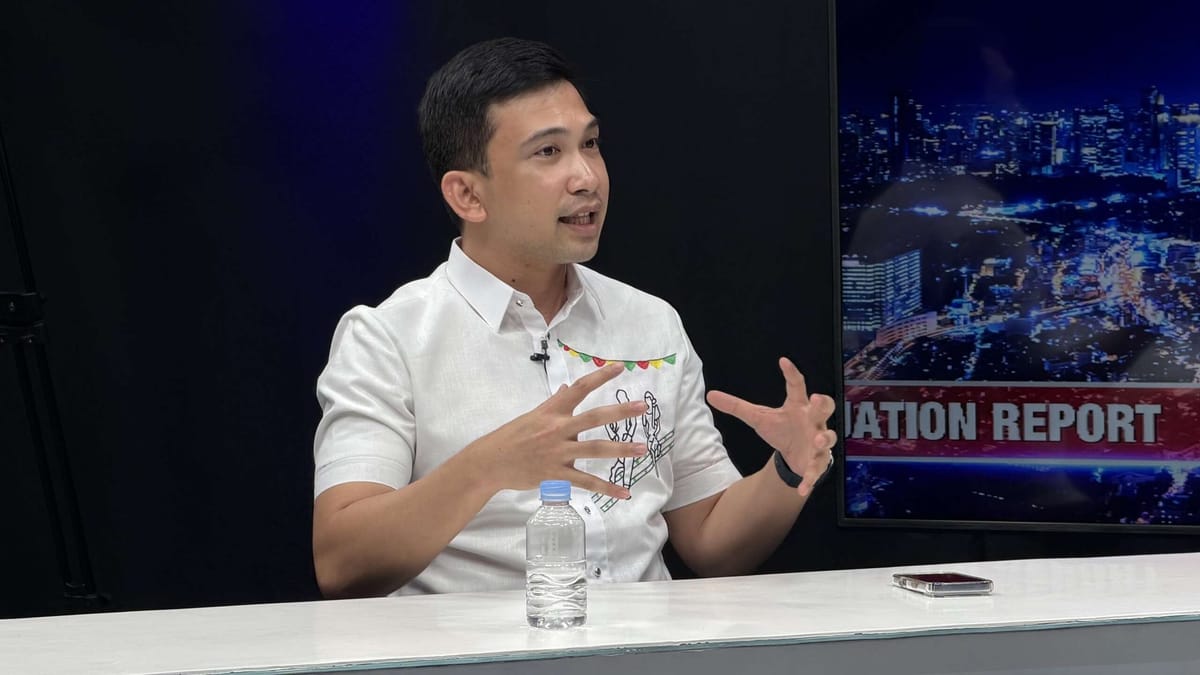
Kabigting made the statement in an interview on DZRH News program The Situation Report on September 11, using a deceptively simple image to explain what decades of scientific studies have confirmed about Metro Manila’s flood vulnerability.

He said every Filipino child who has drawn a picture of two mountains with a river between them has already correctly illustrated the natural design of a watershed, and that the problem begins when development is placed in the middle of that river rather than beside it.

“Lahat naman po tayo dumaan sa pagkabata, nag-drawing po tayo ng dalawang bundok at meron pong ilog sa gitna. Ang tawag po diyan ay valley. Ang main purpose po niya is to collect po yung tubig na babagsak po sa tuktok pababa,” Kabigting said.

He said the traditional bahay kubo in children’s drawings is correctly placed beside the river, not in it, reflecting an indigenous understanding of where it is safe to build and where water is meant to flow.

Kabigting said the flooding that Metro Manila experiences is in many cases a natural occurrence that cannot be brought to zero risk, because the water that falls on Sierra Madre must go somewhere and the natural path it follows leads through the valleys and river systems that Metro Manila has built over.

He said forests placed at the tops of mountains and along slopes are part of the natural design to slow that water flow, which is why deforestation in the upper watershed directly worsens flooding in the lower areas where millions of Metro Manilans live.

Kabigting said the practical implication for governance is that flood risk in Metro Manila will never be eliminated, only managed, and that the most effective long-term investments are those that work with the natural design rather than against it, including sustained forest rehabilitation in upper watersheds and strict enforcement of setback rules along rivers and flood channels.


More on Features

See all
Is intermittent fasting actually effective for weight loss?
Features

Is intermittent fasting actually effective for weight loss?

Intermittent fasting is an eating plan that focuses on when you eat rather than what or how much you eat, according to Johns Hopkins Medicine, which unites physicians and scientists from the Johns Hopkins University School of Medicine with The Johns Hopkins Hospital and Health System. Johns…

‘Metro Manila’s green lung’: One quarter of Quezon City is green space, and city planners are now connecting all of it into one network
Features

‘Metro Manila’s green lung’: One quarter of Quezon City is green space, and city planners are now connecting all of it into one network

Quezon City considers itself the green lung of Metro Manila, and with reason. La Mesa watershed alone accounts for nearly one quarter of the city’s total land area, complemented by the expansive UP Diliman campus and Quezon Memorial Circle at its center. This forms a continuous green mass that…

North and South Caloocan have never been directly connected by public transit. MRT-11 may finally fix that.
Features

North and South Caloocan have never been directly connected by public transit. MRT-11 may finally fix that.

Caloocan City is unique among all 17 local government units in Metro Manila: it is the only city physically divided into two separate and unconnected halves—North and South Caloocan—with no direct public transit link between them. Caloocan City Administrator Aurora Ciego this gap, which has…

What do Filipinos do when they win the lotto? PCSO chief reveals
Features

What do Filipinos do when they win the lotto? PCSO chief reveals

Filipino lotto jackpot winners pick their numbers through birthdays, dreams, the sound of geckos at night, and handwritten notebooks full of personal number codes. And when they win, most say they will give to the church first, then think about the bank, then consider going into business…

Free newsletter

The Morning SitRep

The day’s most important stories in the Philippines and the world, in one five-minute read. Delivered at 6 AM, Monday to Saturday.

Breaking alerts Special reports first No spam
Check your inbox — we’ve sent a link to confirm your subscription.Something went wrong. Please try again in a moment. By subscribing you agree to TSR’s privacy policy.