


The situation, in brief
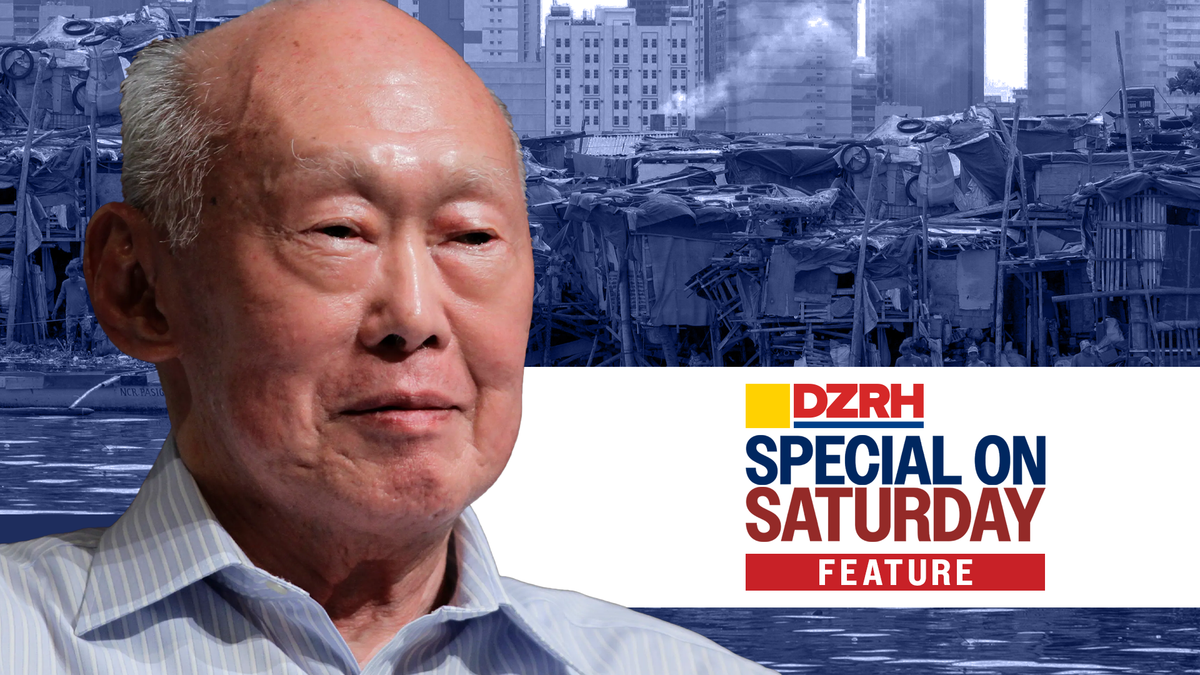
More than two decades ago, Singapore’s founding Prime Minister Lee Kuan Yew wrote that there was “no reason why the Philippines should not have been one of the more successful” nations in Southeast Asia. He recalled that in the 1950s and 1960s, the Philippines was the most developed in the region…
More than two decades ago, Singapore’s founding Prime Minister Lee Kuan Yew wrote that there was “no reason why the Philippines should not have been one of the more successful” nations in Southeast Asia.
He recalled that in the 1950s and 1960s, the Philippines was the most developed in the region, benefiting from post-war rehabilitation support from the United States.
Yet, he observed, something was missing—a unifying “gel” to bind society and bridge the divide between the elite and the poor. That gap, he said, kept the country from realizing its full potential.
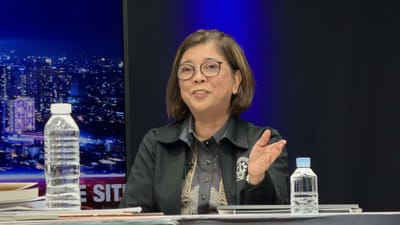
That assessment still resonates today, according to Fr. Vester Casaclang, training director and administrator of the Don Bosco Youth Center in Tondo, Manila.
In an interview on DZRH News’ program “Special on Saturday,” Fr. Casaclang said that despite decades of change, the root of poverty in the Philippines remains the same: corruption.
“Kahit paano natin baliktarin, nabubuo lagi sa isip ko, corruption talaga ang dahilan kung bakit may mahirap sa Pilipinas,” he said. “Si Lee Kuan Yew mismo ang nagsabi, wala tayong dahilan para maging mahirap.”
Fr. Casaclang believes that the Filipino people have the talent and potential to match, even surpass, other nations if given the right education and opportunities.
“Sa talino na lang, maturuan mo lang, mabigyan mo lang ng tamang edukasyon ang mga Pilipino, malalagpasan at matatapatan natin ang lahat,” he said.
There was no reason why the Philippines should not have been one of the more successful of the Asean countries. In the 1950s and 1960s, it was the most developed, because America had been generous in rehabilitating the country after the war. Something was missing, a gel to hold society together.
— LEE KUAN YEW, “FROM THIRD WORLD TO FIRST”
For him, one untapped resource lies in the country’s out-of-school youth, which he likens to “kayamanang nakabaon sa lupa.”
Through Don Bosco’s programs, these young people are given skills training, mentorship, and community support. But he is quick to admit that the work cannot be done by one institution alone. “Hindi kami superhero. Mao-overwhelm po talaga kayo ng problema. Pero ang sikreto natin, teamwork,” he stressed.
This approach extends beyond religion or social background. Whether working with Muslim or Christian families, Don Bosco partners with barangay leaders to provide what each community lacks—be it sports facilities, livelihood programs, or family counseling.
Fr. Casaclang contrasted this with practices abroad, citing Hamburg, Germany, where local governments have dedicated desks to locate out-of-school youth, even if they have moved to another country.
“Sa atin, kapag hindi na pumasok sa school, wala na, bahala na,” he lamented. “Sa amin, tatawagan namin ‘yung bata… kung wala talaga, pupuntahan na namin.”
Lee Kuan Yew’s words about the Philippines’ unrealized promise point directly to this kind of grassroots effort.
His critique centered on the lack of connection between those at the top and the ordinary citizen. Without that bridge, the structural inequalities Lee described remain entrenched, and poverty persists despite abundant human potential.
For the Philippines to shed the label of a nation that could have been, the country needs to invest in its people, root out corruption, and build a shared sense of purpose among its citizens, communities, and leaders.
Only then will there truly be no reason for the Philippines to remain poor.