The situation, in brief
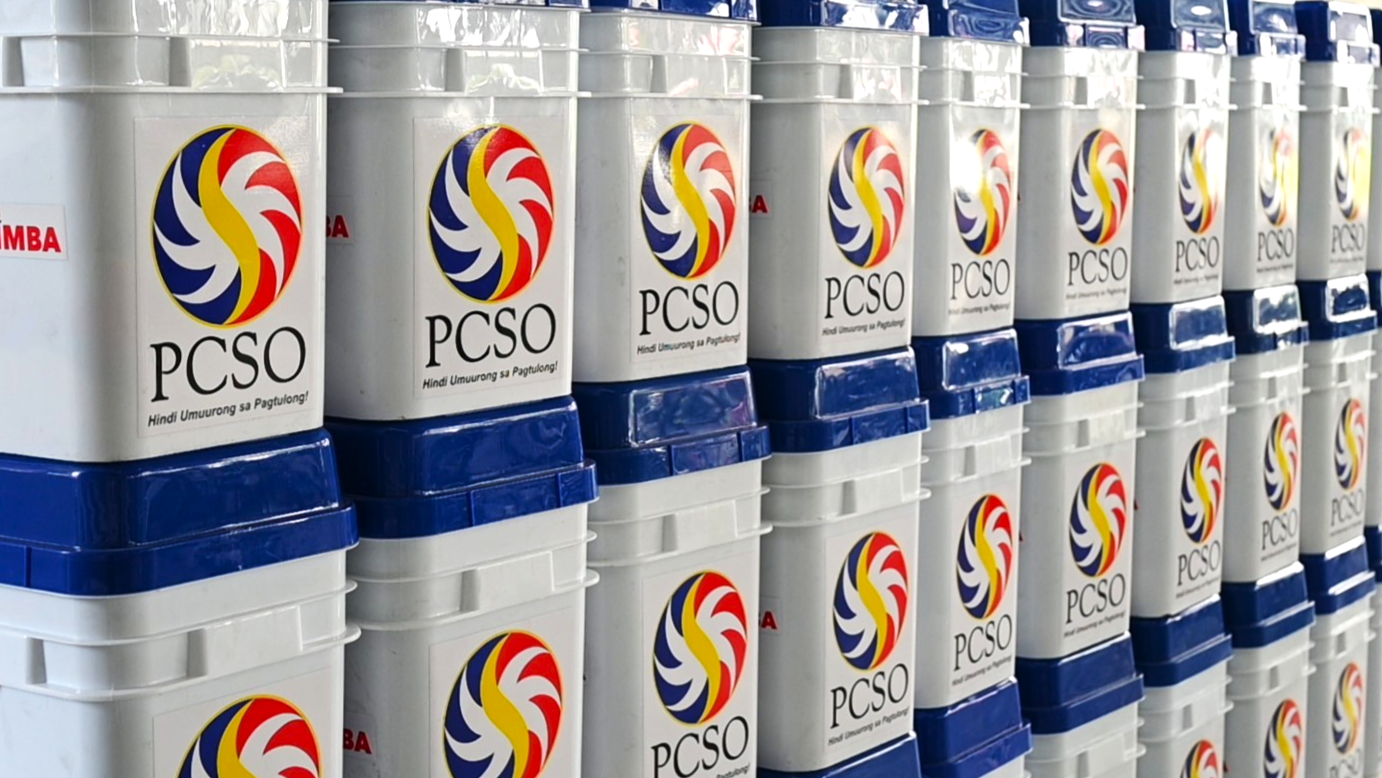
The Philippine Charity Sweepstakes Office’s (PCSO) Charitimba, a disaster relief kit packaged in a sturdy multipurpose pail, has reached its third generation of design. It is now capable of being sat on, stacked 10 units high without cracking, used as a food container, a water basin, and an…
The Philippine Charity Sweepstakes Office’s (PCSO) Charitimba, a disaster relief kit packaged in a sturdy multipurpose pail, has reached its third generation of design.
It is now capable of being sat on, stacked 10 units high without cracking, used as a food container, a water basin, and an emergency seat in evacuation centers, and pre-filled with ready-to-eat meals, arroz caldo, and easy-open packaged food.
PCSO General Manager Melquiades “Mel” Robles explained the evolution of the Charitimba in an interview on DZRH News program Special on Saturday on September 19, tracing the product from its origins as an ecobag through two previous iterations to its current hardened, multipurpose form.
Robles said the first generation was an ecobag, which was inadequate in disaster situations. The second was a basic plastic pail that cracked too easily. The third and current version is built to handle the physical demands of a disaster environment.
“Ang Charitimba may evolution po ‘yan. Dati ecobag nung una, tapos naging timba lang na madaling mabitak. Eto na talaga, third generation, in fact nauupuan ‘yan. We can stack that as high as 10,” the PCSO general manager said.
Robles said the design insight behind using a pail rather than a bag is that water is the most critical and hardest-to-source commodity in a disaster, and a sturdy pail serves as both a water container and a food vessel, while the lid becomes a basin for washing or eating.
“Nauupuan po ‘yan. Very sturdy. Tingnan niyo ‘yung stacking namin, very organized. Hindi lang ‘yun, ganun ho ka-sturdy ‘yan. Pwedeng ipatong-patong hindi magka-crack. Ang tawag natin dito Charitimba. May pagkain ka na during disaster, immediate response para sa pagkain,” Robles said.
“May mauupuan ka pa, may malalagyan ka pa ng plato, and at the same time may malalagyan ka ng tubig. Tubig ang pinakamahirap sa disaster,” he said.
The food inside is designed for zero-preparation consumption: ready-to-eat meals, arroz caldo with malunggay, and packaged products with easy-open lids that require only water to prepare, all chosen with the reality in mind that a disaster survivor may have no stove, no gas, and no kitchen.
“Kasi siyempre ‘pag pumunta hindi ka naman makaluto ng kanin, ‘di ka naman makaluto ng noodles. So ‘yung mga ready to eat na ‘yan, lagyan lang ng water pwede na. May arroz caldo, may malunggay, mga ready to eat meals ‘yun. So originally ganun po ‘yun,” Robles said.
“Pero ngayon nag-expand na rin, hindi lang ‘pag may disaster. ‘Pag ‘yung mga talagang humihingi po ang LGU ‘yung mga indigent communities nila, nakakapagbigay po ang PCSO. Wala pong sardinas ‘yan. Hindi na minamaliit ko ‘yung sardinas, pero we require kasi ‘yung easy open, ‘yung hindi na kailangan buksan,” he said.
Robles said the Charitimba has since been institutionalized and now has an official PCSO mascot, making it one of the agency’s most recognizable and most immediately useful products in disaster response operations.