The situation, in brief
At the heart of Tondo, Manila, the Don Bosco Youth Center has long been a refuge for out-of-school youth and young people from financially challenged families. But for Training Director and Administrator Fr. Vester Casaclang, the mission they carry is far from the image of invincibility often…
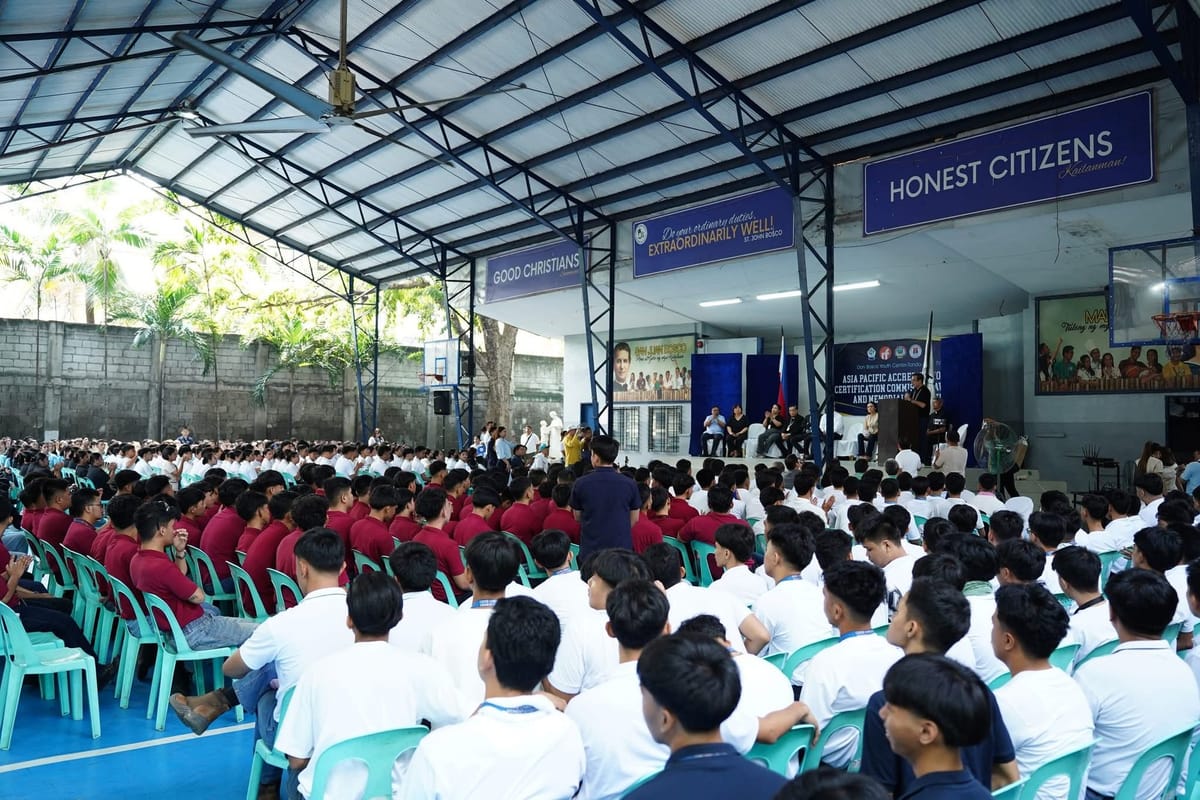
At the heart of Tondo, Manila, the Don Bosco Youth Center has long been a refuge for out-of-school youth and young people from financially challenged families.
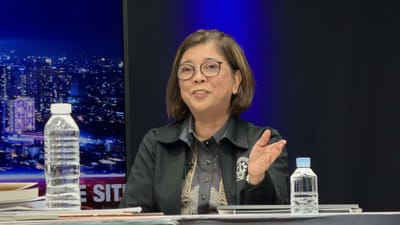
But for Training Director and Administrator Fr. Vester Casaclang, the mission they carry is far from the image of invincibility often projected onto educators and community workers.
“Para naman kaming bayani o superhero. Hindi kami superhero. Nasasaktan at nasusugatan din po kami. Marunong din po kami umaray,” he said on DZRH News’ Special on Saturday program on August 9.
Overwhelmed by the enormity of the problems they face, Casaclang said their “secret” lies in teamwork—especially with local government units (LGUs) and barangays who help track and guide children back to school.
In Tondo, where poverty remains entrenched, gaining the trust of a young person can be as difficult as teaching them a trade.
“Hanggang hindi mo nakukuha ang trust and confidence ng bata, mag-aaway lang kayo dyan,” Casaclang said.
At Don Bosco, the environment must be both joyful and tough—preparing students for the harsh realities outside, while ensuring they are never treated like robots.
It is this balance, he said, that shapes young people into individuals with resilience, integrity, and purpose.
Casaclang recounted a lesson from Germany, where local governments maintain dedicated desks to track out-of-school youth—wherever they may have moved, even abroad.
“Sa bansa natin, kapag hindi na pumasok sa school, wala na, bahala na,” he lamented. But Don Bosco’s approach is different: they call the student, reach out to the family, and if all else fails, they visit in person.
This persistence is front and center of the organization’s mission—to help young people reach their full potential and become agents of transformation in their families and communities.
The center offers a range of programs from elementary to college, including engineering courses and ladderized technical-vocational tracks. These, Casaclang said, are aimed at giving financially challenged youth clear career paths.
“Kung masigasig ka, may opportunity ka na umakyat sa ladder. Magiging career mo talaga, hindi panghabang buhay na martilyo at pako lang ang hawak mo,” he explained.
But more than skills, Don Bosco’s partners emphasize the importance of character-building—producing workers who are not only competent but also positive influences in their workplaces.
The work, however, goes beyond classrooms and workshops. Many students carry deep emotional scars: parental separation, broken homes, abuse, bullying, or long-standing trauma from poverty.
“Kailangan mapagaling mo ‘yung mga sugat na iyon,” Casaclang said, noting the role of professional guidance counselors and social workers in the process.
Teachers are also expected to connect with students daily, even during breaks, to check on their well-being. “Hindi sila detached,” he stressed.
Training at Don Bosco is intensive: 10 months of in-house classes and practice, followed by five months of on-the-job training.
Mastery, not just competence, is the goal.
“Kapag welding, hanggang hindi sila matuto, tuloy-tuloy ‘yan,” Casaclang said.
This model, refined over decades, has helped produce graduates who can stand on their own in the labor market while carrying the values instilled during their stay.
The institution’s commitment is not new. “Wala pang TESDA o NMYC, nandito na po kami sa Pilipinas since 1951,” Casaclang noted.
The first technical school in the Philippines was established in Victoria, Negros. Today, Don Bosco operates more than 4,200 schools worldwide for the social protection of youth.
Regardless of religion—whether Muslim, Buddhist, or Christian—their mission remains the same: help those in need, both young and old, to live with dignity and hope.
For educators like Casaclang, the hard life of teaching in such an environment is sustained by a shared vision.
It is the understanding that lasting change does not happen overnight, nor through one person’s effort alone.
“Hindi ito pagpupursigi ng iisa. Pagpupursigi ito nating lahat,” he said.
And in Tondo, where hardship is a constant, that collective perseverance may be the difference between another lost potential and a life rebuilt.