


Thursday, October 29, 2026  ·  Manila
 Breaking News, Special Reports and In-Depth Stories in the Philippines
TSR
Features

Why Navotas, Malabon, Manila, and Valenzuela experience flood faster

Why Navotas, Malabon, Manila, and Valenzuela experience flood faster
Share

The situation, in brief

The western coastal cities of Metro Manila, including Manila, Navotas, Malabon, and Valenzuela experience flooding faster than other parts of the capital region because they sit on unconsolidated materials, loose sand, silt, and mud that water penetrates easily and moves through quickly. Mines and…

The western coastal cities of Metro Manila, including Manila, Navotas, Malabon, and Valenzuela experience flooding faster than other parts of the capital region because they sit on unconsolidated materials, loose sand, silt, and mud that water penetrates easily and moves through quickly.

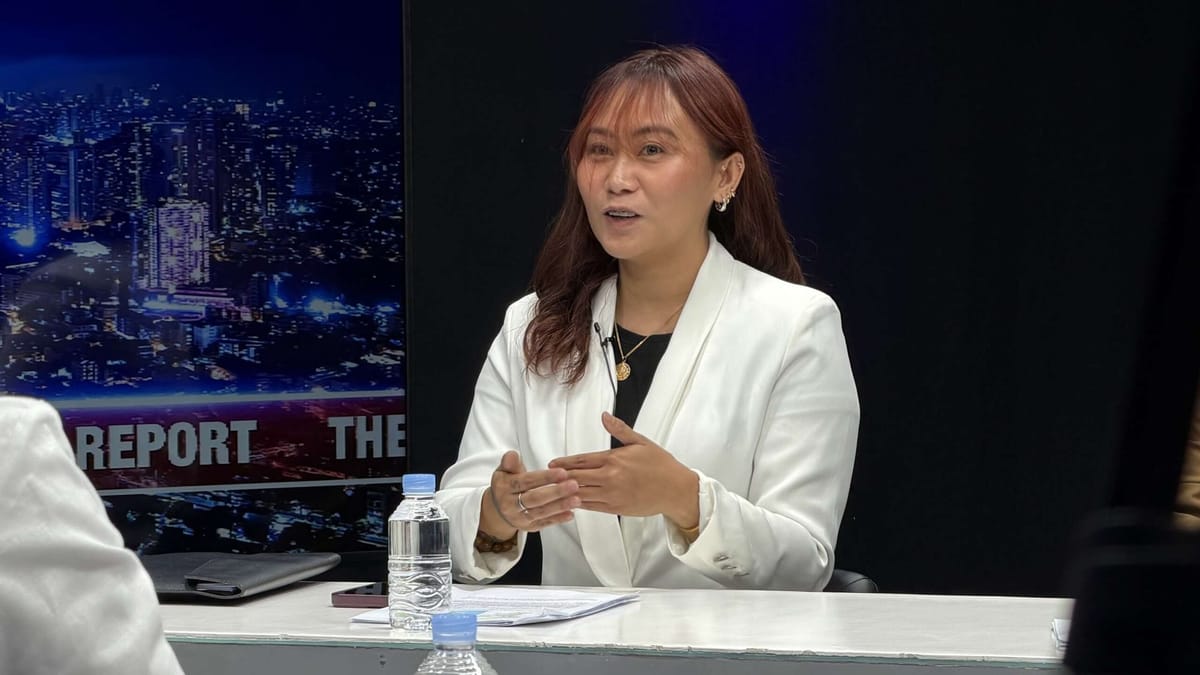
Mines and Geosciences Bureau (MGB) senior geologist Michelle Mendoza explained this in an interview on DZRH News program The Situation Report on Friday, September 11, breaking down the geology of Metro Manila’s most flood-prone areas in plain terms for residents and policymakers.

Mendoza said the ground beneath these cities was formed by coastal lowlands and delta plains, meaning the soil is composed of materials that have not been compacted by geological forces and therefore have spaces between particles that water can move through rapidly.

“Yung ground po natin diyan ay composed of unconsolidated materials. Ibig sabihin medyo loose yung mga materials natin, that’s why easily penetrated siya by rainwater,” the MGB senior geologist said.

Mendoza said the loose nature of the soil means water both enters and exits quickly, which sounds like an advantage but is in fact a liability, because the same ease of water movement that allows rainwater to percolate down also allows it to rise up when the water table is high.

“Water percolates easily doon sa mga sediments since hindi nga siya compacted, so mas madali pong ma-absorb ng water at mas madali ding ma-release ng water kasi nga po may spaces in between the sediments,” she said.

Mendoza said the contrast with the central ridge of Metro Manila, covering Taguig, Muntinlupa, and parts of Quezon City, is stark, as those areas sit on volcanic tuff or adobe, a resistant rock that does not absorb water easily and therefore does not flood as quickly.

The MGB senior geologist said the geological difference between the western lowlands and the central ridge is one of the most important but least understood reasons why some parts of Metro Manila flood while others nearby remain dry during the same rain event.


More on Features

See all
Is intermittent fasting actually effective for weight loss?
Features

Is intermittent fasting actually effective for weight loss?

Intermittent fasting is an eating plan that focuses on when you eat rather than what or how much you eat, according to Johns Hopkins Medicine, which unites physicians and scientists from the Johns Hopkins University School of Medicine with The Johns Hopkins Hospital and Health System. Johns…

‘Metro Manila’s green lung’: One quarter of Quezon City is green space, and city planners are now connecting all of it into one network
Features

‘Metro Manila’s green lung’: One quarter of Quezon City is green space, and city planners are now connecting all of it into one network

Quezon City considers itself the green lung of Metro Manila, and with reason. La Mesa watershed alone accounts for nearly one quarter of the city’s total land area, complemented by the expansive UP Diliman campus and Quezon Memorial Circle at its center. This forms a continuous green mass that…

North and South Caloocan have never been directly connected by public transit. MRT-11 may finally fix that.
Features

North and South Caloocan have never been directly connected by public transit. MRT-11 may finally fix that.

Caloocan City is unique among all 17 local government units in Metro Manila: it is the only city physically divided into two separate and unconnected halves—North and South Caloocan—with no direct public transit link between them. Caloocan City Administrator Aurora Ciego this gap, which has…

What do Filipinos do when they win the lotto? PCSO chief reveals
Features

What do Filipinos do when they win the lotto? PCSO chief reveals

Filipino lotto jackpot winners pick their numbers through birthdays, dreams, the sound of geckos at night, and handwritten notebooks full of personal number codes. And when they win, most say they will give to the church first, then think about the bank, then consider going into business…

Free newsletter

The Morning SitRep

The day’s most important stories in the Philippines and the world, in one five-minute read. Delivered at 6 AM, Monday to Saturday.

Breaking alerts Special reports first No spam
Check your inbox — we’ve sent a link to confirm your subscription.Something went wrong. Please try again in a moment. By subscribing you agree to TSR’s privacy policy.