The situation, in brief
Because rainfall impacts in Metro Manila vary drastically from one city to another during the same weather event, blanket class and work suspension announcements from the national government may no longer be the most appropriate response, and local government units or LGUs should be empowered to…
Because rainfall impacts in Metro Manila vary drastically from one city to another during the same weather event, blanket class and work suspension announcements from the national government may no longer be the most appropriate response, and local government units or LGUs should be empowered to make their own suspension decisions based on actual ground conditions in their specific area.
Experts made the statement in an interview on DZRH News program The Situation Report on Friday, September 11, with Mines and Geosciences Bureau (MGB) Senior Geologist Michelle Mendoza and state weather bureau PAGASA’s NCR chief Engr. Lorenzo Moron both independently arriving at the same conclusion during the discussion.
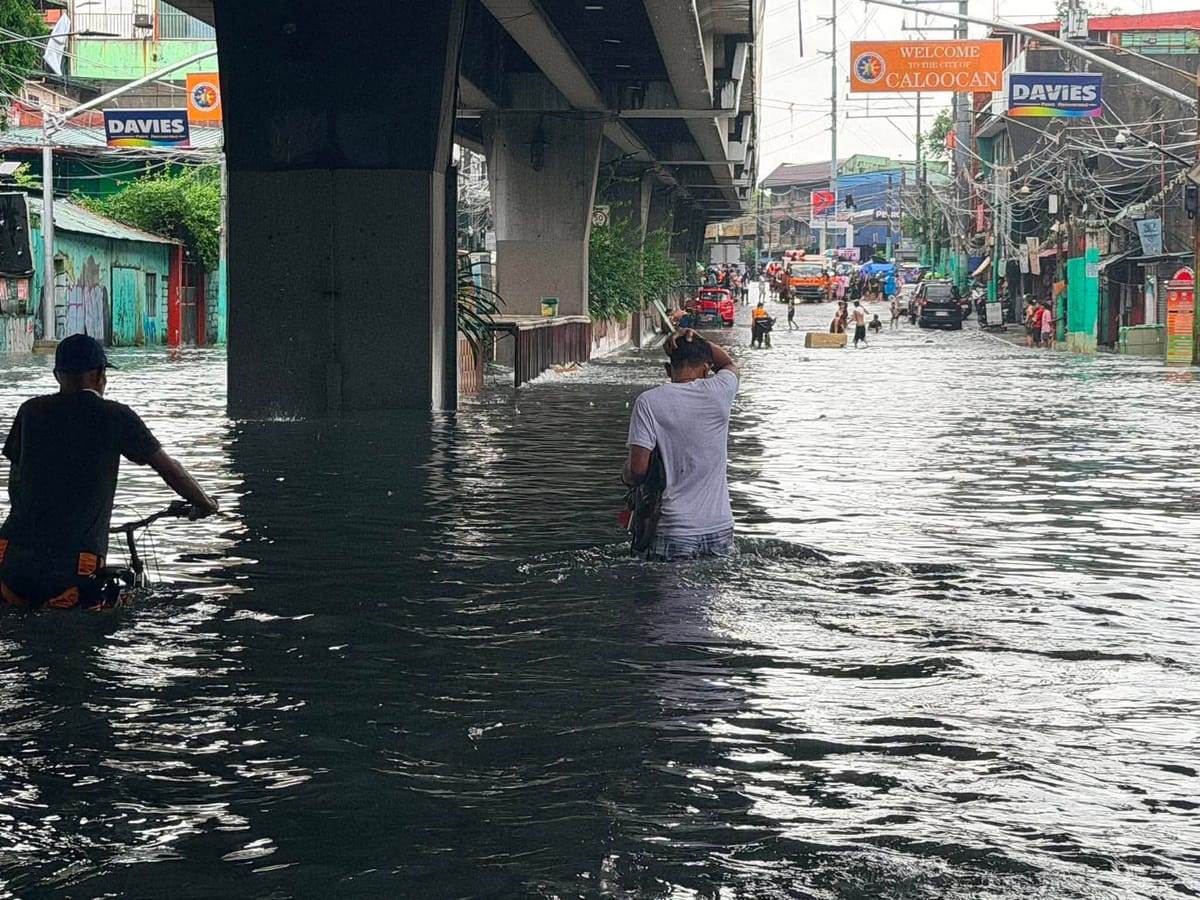
Mendoza said the current system, where national-level announcements effectively drive suspension decisions across all of Metro Manila simultaneously, does not account for the reality that while one city may be submerged, a neighboring city may be completely dry during the same rain event.
“Hindi pa natin sila hinahayaan to decide on the suspension and cancellation of government work based of course on the actual ground situation,” Mendoza said, describing the gap between what science knows about localized flooding and how decisions are currently made.
Moron agreed, saying that because PAGASA’s rainfall warnings are already city-specific, LGU decision-making on class suspensions should also be city-specific, with mayors and local officials using their knowledge of their own drainage conditions, flood-prone areas, and historical flood impacts to calibrate their response.
“Tingnan din dapat ng mga policy makers natin, mga decision makers natin, kung ganito ba kalakas yung ulan na pwede nating asahan, ano bang nangyayari sa ground, sa area of responsibility natin? Baka naman business as usual pa rin tayo,” Moron said.
The state weather bureau’s chief in Metro Manila said yellow warning in particular should trigger an assessment by LGUs rather than an automatic suspension, while orange warning is the threshold at which broader suspension decisions become more appropriate.
Both experts stopped short of explicitly saying Malacañang should stop issuing blanket suspension orders, but when asked whether the Malacañan Palace should simply let LGUs decide, neither expert disagreed.