The situation, in brief
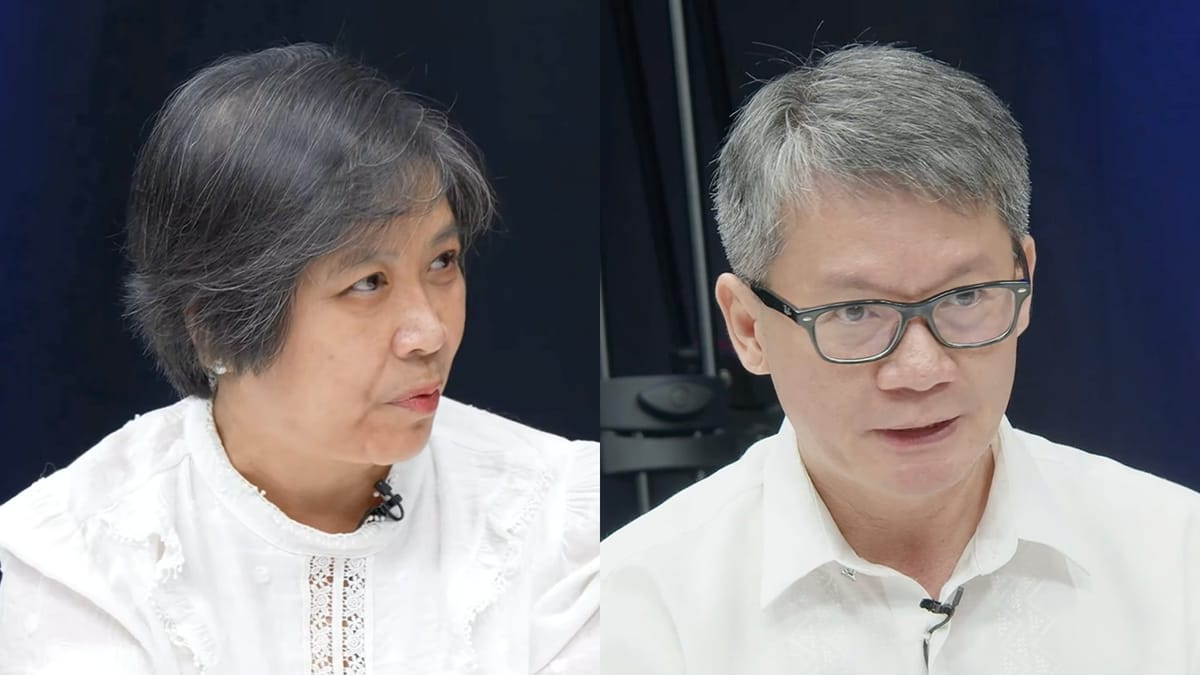
Every municipality in the Philippines now has a doctor, ending decades of doctorless towns that left millions of rural Filipinos without access to basic medical care, Health Undersecretary Gloria Balboa said Saturday. Balboa made the statement in an interview on DZRH News program Special on…
Every municipality in the Philippines now has a doctor, ending decades of doctorless towns that left millions of rural Filipinos without access to basic medical care, Health Undersecretary Gloria Balboa said Saturday.
Balboa made the statement in an interview on DZRH News program Special on Saturday on August 22, as part of the DZRH SONA 2026 Series featuring the Department of Health (DOH).
She said the milestone was achieved through the Marcos administration’s Doctors to the Barrio program, which deployed physicians to municipalities that previously had none, prioritizing geographically isolated and disadvantaged areas and fourth-class municipalities that cannot afford to hire their own doctors.
“Lahat na po ng mga munisipyo ay merong doktor. Wala na pong doctorless na municipality through the Doctors to the Barangay program,” Balboa said.
She said the deployment goes beyond doctors, with nurses, midwives, medical technologists, and pharmacists also being sent to communities to provide the full complement of health workers needed to support Yakap centers and ensure that PhilHealth’s primary care program has qualified personnel to operate it.
“Hindi lang doktor po, pati nurses, mga midwives, mga medtech, para makatulong na ma-meet yung requirements para sa Yakap center. And then sa mga pharmacies, may mga pharmacists din po tayong dini-deploy,” Balboa said.
She said the DOH’s Health Facilities Enhancement Program continues to build infrastructure and provide medical equipment to local government units, ensuring that health centers have the physical capacity to deliver the services that PhilHealth covers under the Yakap program.
Health Assistant Secretary Lester Tan said health center capacity varies significantly across the country, with Metro Manila LGUs generally better resourced than those in far-flung areas, making the DOH’s support role critical for municipalities outside the capital region.
He said the DOH continues to work with LGUs to bring their health centers up to the standards required for PhilHealth accreditation under Yakap, combining infrastructure, equipment, and human resource deployment into a single coordinated effort.
Balboa said the end of doctorless municipalities is a foundation, not a finish line—stressing that having a doctor in every town must be followed by ensuring that doctor has the tools, medicines, and support staff to actually deliver quality care to every Filipino who needs it.