The situation, in brief
The “Walang Gutom” Food Stamp Program exclusively accredits small agriculture cooperatives as redemption points for its food credits, a deliberate policy to ensure government aid flows directly to both food-poor families and small Filipino farmers. Social Welfare Secretary Rex Gatchalian made the…
The “Walang Gutom” Food Stamp Program exclusively accredits small agriculture cooperatives as redemption points for its food credits, a deliberate policy to ensure government aid flows directly to both food-poor families and small Filipino farmers.
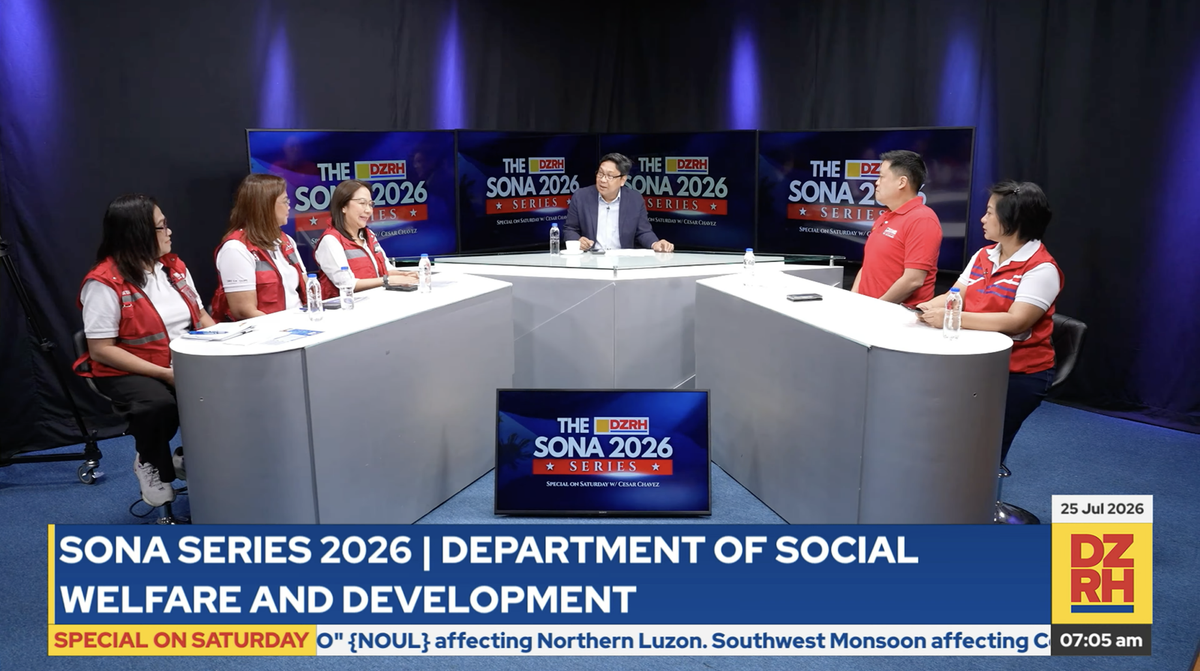
Social Welfare Secretary Rex Gatchalian made the disclosure in an interview on DZRH News program Special on Saturday on July 25, as part of the DZRH SONA 2026 Series.
He said the decision to exclude large grocery chains from the program of the Department of Social Welfare and Development (DSWD) was by design, not by accident.
“Hindi kami nag-a-accredit ng mga grocery na malaki. Marami na tayong napayaman na maliliit na mga kooperatiba dahil sa programa na ‘to,” Gatchalian said.
He said the program creates a direct farm-to-table connection, with no middlemen profiting from the government funds intended for food-poor families.
“Wala nang middleman, wala nang magsasamantala na pera ng gobyerno, tapos ‘yung mga kita sa magsasaka mapupunta,” Gatchalian said.
He cited the partnership with the Department of Agriculture (DA) as central to the program’s design, noting that the Kadiwa network serves as another redemption point for food stamp holders.
Gatchalian said the food credits are structured per the Pinggang Pinoy guide: 50% for carbohydrates such as rice, camote, and sweet potato; 30% for protein including pork, chicken, and beef; and 20% for dietary fiber such as fruits and vegetables.
“Binibigyan natin sila ng layang pumili, but within those limits,” he said, stressing that beneficiaries choose freely within each nutritional category.
He said the 750,000 beneficiary families are mostly found in 3rd, 4th, and 5th class municipalities in the provinces, in remote and far-flung communities.
Gatchalian said beneficiaries in cities can redeem their food credits anytime at accredited stores, while those in remote areas are served through monthly or bi-monthly pop-up Kadiwa outlets.
The program uses the Family Income and Expenditure Survey to assess beneficiaries every three years, determining whether a family has already exceeded the 9,000-peso monthly income threshold and is ready to graduate from the program.
“Kailan ang graduation phase nila? Basta every three years, kasi ang Department of Economic Planning and Development nagkakaroon nu’ng FIES. Du’n naman natin titingnan: lumagpas ka na ba sa 9,000?” Gatchalian said.
He said the goal is not permanent dependency on government aid but eventual self-sufficiency, emphasizing that the food stamp program comes with nutrition education and skills training conditions.