The situation, in brief
Manila City Mayor Francisco “Isko” Moreno Domagoso wants the drainage master plan in motion fast, stressing that the next generation of Manileños deserves to grow up in a city no longer crippled by constant floods. On Thursday, September 18, Domagoso personally handed over the city’s long-term…
Manila City Mayor Francisco “Isko” Moreno Domagoso wants the drainage master plan in motion fast, stressing that the next generation of Manileños deserves to grow up in a city no longer crippled by constant floods.
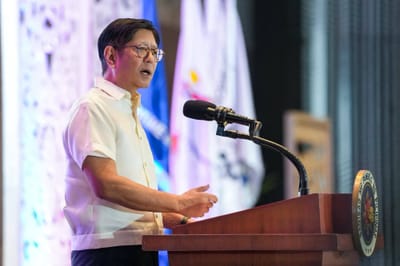
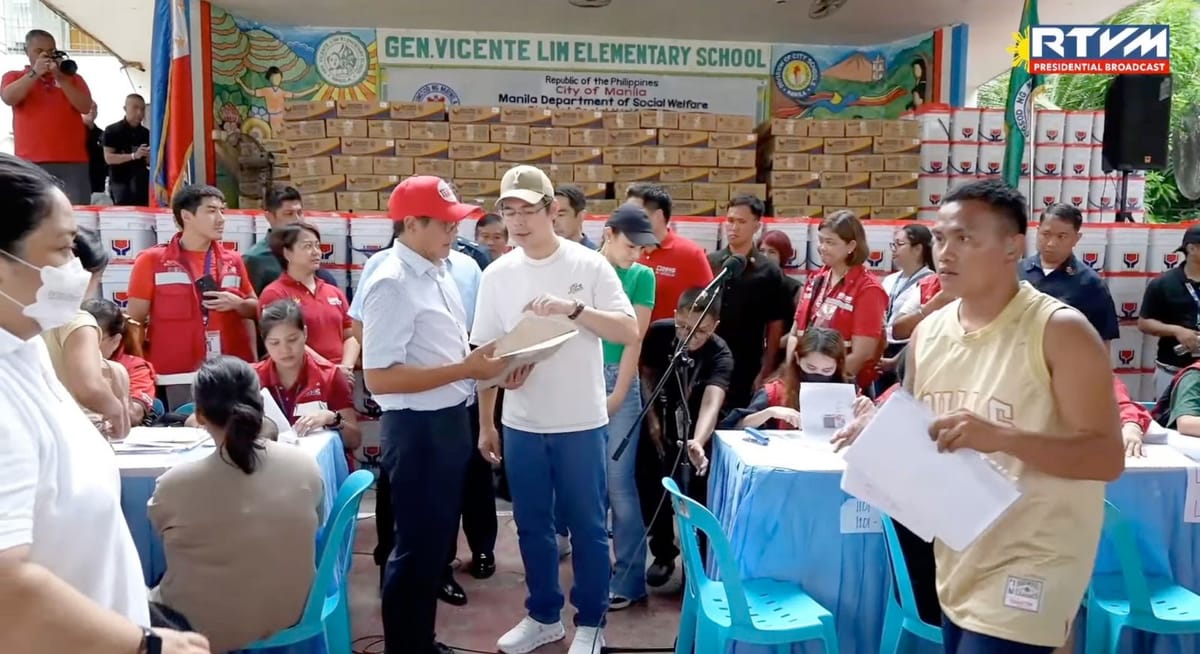
On Thursday, September 18, Domagoso personally handed over the city’s long-term plan to curb the recurring problem of flooding to President Ferdinand R. Marcos Jr., saying that tomorrow’s Manileños deserve a safer, flood-resilient capital city.
“Hindi lang ito pagtupad sa tungkulin natin na tiyakin ang kapanatagan at kaligtasan ng taumbayan. Ito rin ay pamana natin sa mga susunod na henerasyon ng Batang Maynila,” Domagoso said.
Requiring a budget of ₱140 billion, the Mayor’s master plan offers a two-pronged approach for its long-term drainage improvement strategy: catchment upgrades and tunnel systems. Both aim to add capacity, speed up stormwater flow, and cut flood risk in critical areas.
The catchment upgrade plan includes widening pipes, building new culverts, rehabilitating manholes, and upgrading or installing pumping stations. Currently, Metro Manila has 72 pumping stations, with 24 of which are in the City of Manila. The city plans to add 15 more under the long-term drainage master plan.
Works will start in the worst-hit catchments and near hospitals, schools, transport hubs, and government offices. Projects will follow a downstream-first order so outlets and pumps are ready before upstream lines connect.
Under the plan for tunnel systems, the city will add detention tanks and deep tunnels to carry stormwater to receiving bodies. This will start with the construction of detention tanks, pumps, and downstream tunnel sections. Large, deep segments will use tunnel boring machines. Dense areas will rely on microtunneling to limit surface disruption.
Projects will be prioritized using the following criteria: how often and how badly an area suffers from flooding; how close it is to critical facilities; whether downstream capacity is ready; expected economic and social benefit; and how fast and feasible the work is.
Domagoso said this is meant to prevent bottlenecks and make sure early investments deliver impact.
Short-term actions, the Mayor said, will focus on fixing existing drainage facilities. These include repairing and re-energizing pumping stations, cleaning and declogging drains and manholes to improve flow and carrying capacity, rehabilitating catch basins, and correcting drainage profiles in choke points.
Domagoso said the City Hall, through the City Planning and Development Office, will formulate stormwater management plans, integrate low-impact development measures, and update zoning policies to support sustainable drainage practices.
A community-based drainage risk management program will run alongside these repairs.
The Manila City Disaster Risk Reduction and Management Office will capacitate residents to spot early failure signs like slow-draining inlets and to report them through clear channels. This will allow faster maintenance and better readiness during heavy rain.
The plan also identifies implementation levels and definition of roles in the national, regional and local levels.
At the national level, the Department of Public Works and Highways (DPWH) Unified Project Management Office (UPMO) is designated as the central unit responsible for managing and overseeing major infrastructure projects, which include flood control and drainage systems.
The DPWH’s National Capital Region office will coordinate regional-level activities by ensuring consistency with national policies and provide technical assistance to district engineering offices.
The Metro Manila Development Authority’s (MMDA) Flood Control and Sewerage Management Office (FCSMO) will manage flood control operations at the metropolitan level, and support implementation of structural and non-structural measures.
At the local level, the City of Manila’s Department of Engineering and Public Works (DEPW), Department of Public Services (DPS), CPDO and MCDRRMO will handle local engineering, waste management, planning and zoning, community programs, and emergency response.
On August 28, the Manila City Council formally approved and adopted the drainage master plan as a “strategic infrastructure framework for climate resilience and flood control,” four years after Domagoso initiated the plan’s formulation during his first term.
After President Marcos personally accepted the drainage master plan, he told the Mayor to coordinate its rollout with the MMDA and the DPWH.